
Mine Hydrogeological Baseline
Groundwater monitoring, well installation, hydraulic testing, and baseline water quality assessment across fracture-dominated bedrock zones.

Groundwater monitoring, well installation, hydraulic testing, and baseline water quality assessment across fracture-dominated bedrock zones.

Conducted assessment of groundwater wells to provide potable water to the camp water treatment plant and reviewed septic storage and effluent system. Performed engineering review of camp drinking water system to confirm water sanitation and system function
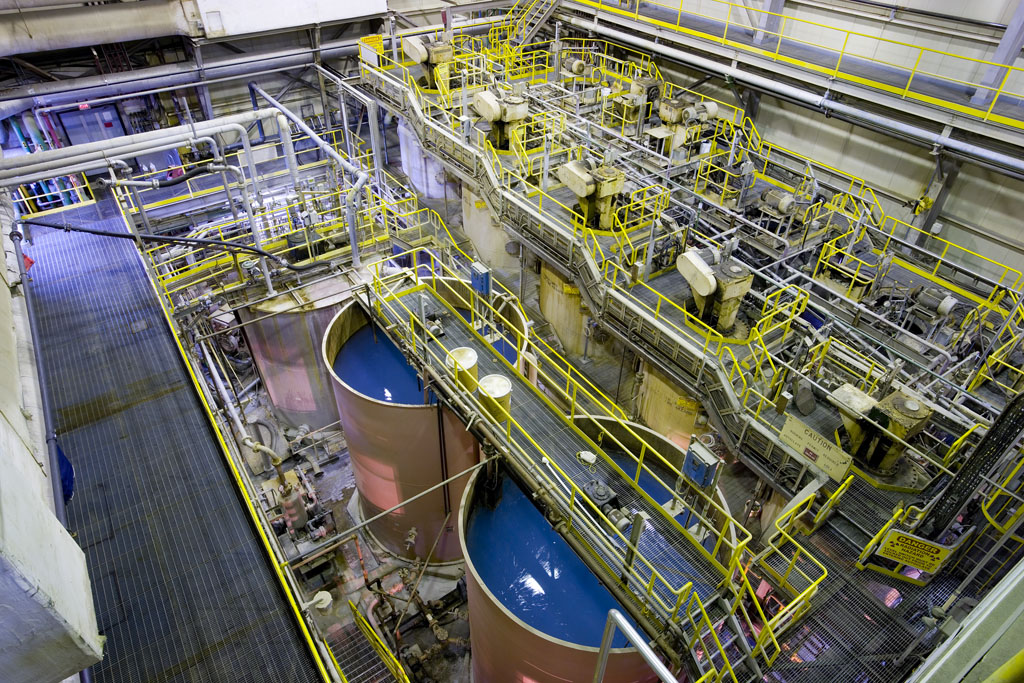
Conducted a study to determine treatment options for ammonium sulphate-impacted groundwater. Reviewed information, developed and ranked options, and created conceptual designs. Delivered a technical report with design sketches, mass and energy balances, risk assessments, and regulatory summaries.

Provide hydrogeological and geospatial analytical services for the creation of a regional fluid disposal assessment in Alberta.
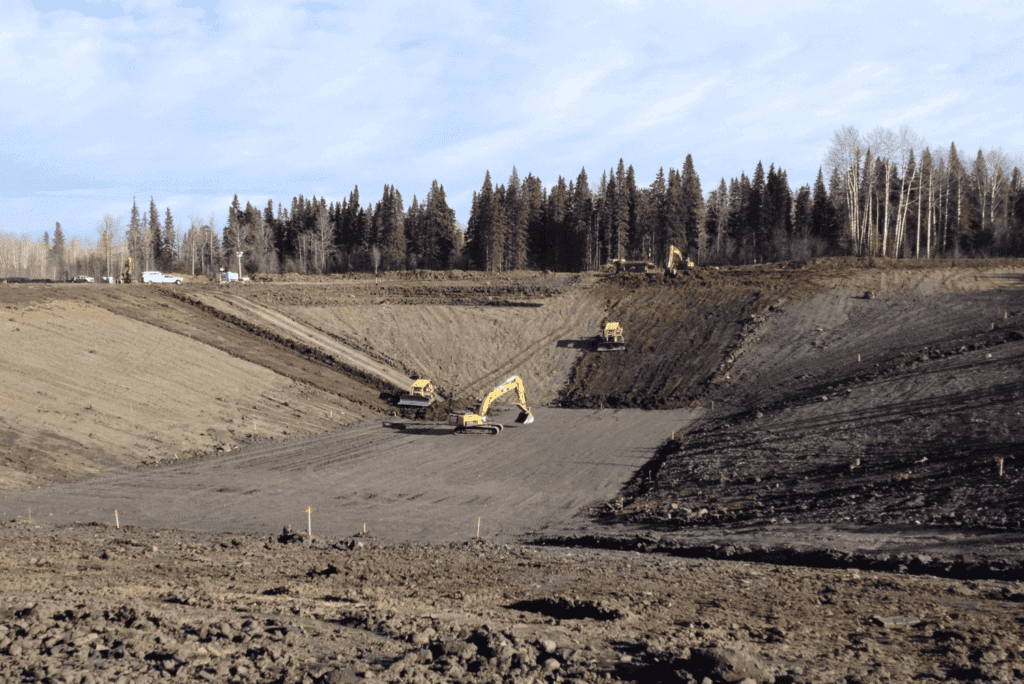
The client requested that Integrated Sustainability transform an existing borrow pit into a Lined Water Storage Pond/Water Hub in northeast British Columbia. The Pond will be used to store a combination of hydraulic fracturing fluid (flowback) and make-up source water, which could include saline groundwater, freshwater, or a combination of the two.

Develop a Water Security Management Plan (WSMP) for a customer that required an very high quality of water for industrial steam generation.

Engineering design review, regulatory support, construction QA/QC, and comissioning to Convert approximately 62 acres of an existing landfill to an aerobic landfill designed to reduce methane content at the landfill and qualify for carbon credits.

Integrated Sustainability was commissioned to prepare a hydrogeological assessment in support of reopening a mine that has been in various stats of operation since the 1970’s.

Evaluation of stream response to groundwater interception in support of fish habitat offsetting with a detailed model of groundwater and surface water interaction for design phase.

Understanding geochemical interactions that take place between the disposal water and the target formation is vital to ensure successful and long-term disposal operations.

Soils Assessment Program to determine if there are any areas of environmental concern and support a British Columbia Oil and Gas Commission (OGC) Certificate of Restoration (COR) for the site.

Evaluation of the Judith River Aquifer and potential impacts of water withdrawals on nearby cross-border water users, with the intent of securing a long term-water license in Saskatchewan.